
Description
Buy Phencyclidine (PCP) Cas77-10-1
Buy Phencyclidine (PCP) Cas77-10-1 Buy Phencyclidine (PCP) Cas77-10-1. Phencyclidine or phenylcyclohexyl piperidine (PCP), also known in its use as a street drug as angel dust among other names, is a dissociative anesthetic mainly used recreationally for its significant mind-altering effects.[1][4] PCP may cause hallucinations, distorted perceptions of sounds, and violent behavior.[4][7][8] As a recreational drug, it is typically smoked, but may be taken by mouth, snorted, or injected.[4][6][7] It may also be mixed with cannabis or tobacco.[1][4] Adverse effects may include seizures, coma, addiction, and an increased risk of suicide.[7] Flashbacks may occur despite stopping usage.[8] Chemically, PCP is a member of the arylcyclohexylamine class, and pharmacologically, it is a dissociative anesthetic.[4][9][10] PCP works primarily as an NMDA receptor antagonist.[9] PCP is most commonly used in the US.[11] While usage peaked in the US in the 1970s,[12] between 2005 and 2011, an increase in visits to emergency departments as a result of the drug occurred.[7] As of 2022, in the US, about 0.7% of 12th grade students reported using PCP in the prior year, while 1.7% of people in the US over age 25 reported using it at some point in their livesOrder PCP Powder in EU
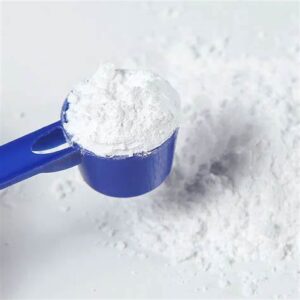
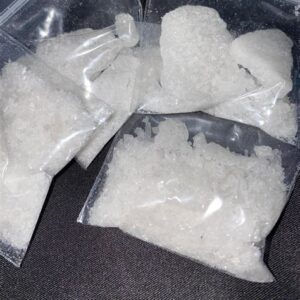
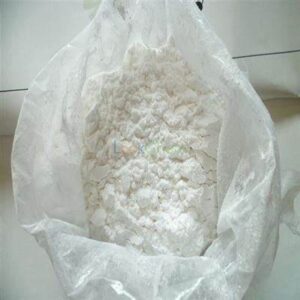
PCP Powder store in Europe. Buy PCP online with Bitcoin. Buy Phencyclidine (PCP) Cas77-10-1 Phencyclidine (PCP), also known as angel dust among other names, is a drug used for its mind-altering effects. PCP may cause hallucinations, distorted perceptions of sounds, and violent behavior. As a recreational drug, it is typically smoked, but may be taken by mouth, snorted, or injected. It may also be mixed with cannabis or tobacco. IUPAC: 1-(1-Phenylcyclohexyl)piperidine Molecular Formula: C17H25N CAS#: 77-10-1 Synonyms: angel dust, Phencyclidine Appearance: White Powder Purity: 99%77-10-1, angel dust , C17H25N , CAS 77-10-1 , hallucinations , PCP , Phencyclidine
PHENCYCLIDINE Chemical Properties
MF: C17H25N
MW: 243.39
Appearance: solid
Density: 1.013 g/cm3
Flash Point: 144.5 °C
Storage temp: −20°C
Index of Refraction: 1.551
Enthalpy of Vaporization: 58.35 kJ/mol
Boiling Point: 340 °C at 760 mmHg
Vapour Pressure: 8.86E-05 mmHg at 25°C
Stability: Stable. Combustible. Incompatible withstrong oxidizing agents
IUPAC Name: 1-(1-phenylcyclohexyl)piperidine
Synonyms: PCP ; Phencyclidine ; 1-(1-Phenylcyclohexyl)piperidine ; Pcp (phencyclidine) ; Phencyclidine (pcp) ; Phencylidine ; Piperidine, 1-(1-phenylcyclohexyl)- ; 1-(1-Phenylcyclohexyl)piperidine solution, PCP solution
Following is the molecular structure of Phencylidine (77-10-1):
.gif)
PHENCYCLIDINE History
Phencylidine (77-10-1) was first synthesized in 1926, and later tested after World War II as a surgical anesthetic. Because of its adverse side effects, such as hallucinations, mania, delirium, and disorientation, it was shelved until the 1950s. In 1953, it was patented by Parke-Davis and named Sernyl (referring to serenity), but was withdrawn from the market two years later because of side-effects. It was renamed Sernylan in 1967, and marketed as a veterinary anesthetic, but again discontinued. Its side effects and long half-life in the human body made it unsuitable for medical applications. Buy Phencyclidine (PCP) Cas77-10-1
PHENCYCLIDINE Toxicity Data With Reference
| 1. |
ipr-mus LD50:2800 µg/kg |
TOLED5 Toxicology Letters. 12 (1982),171. |
PHENCYCLIDINE Safety Profile
Poison by intraperitoneal route. Experimental reproductive effects. Caution: This is a controlled substance (depressant) listed in the U.S. Code of Federal Regulations, Title 21 Part 1308.12 (1985). The ethylamine, pyrrolidine and thiophene analogs are listed as hallucinogens, Title 21 Part 1308.11. When heated to decomposition it emits toxic fumes of NOx.
Safety Information of Phencylidine (77-10-1): Buy Phencyclidine (PCP) Cas77-10-1
Hazard Codes: F,T
F: Highly Flammable .gif) T: Toxic
T: Toxic .gif) Risk Statements: 23/24/25-39/23/24/25
23/24/25: Toxic by inhalation, in contact with skin and if swallowed
39/23/24/25: Toxic: danger of very serious irreversible effects through inhalation, in contact with skin and if swallowed
Safety Statements: 36/37-45
36/37: Wear suitable protective clothing and gloves
45: In case of accident or if you feel unwell, seek medical advice immediately (show label where possible)
RIDADR: 2811
HazardClass: 6.1(a)
PackingGroup: I
Risk Statements: 23/24/25-39/23/24/25
23/24/25: Toxic by inhalation, in contact with skin and if swallowed
39/23/24/25: Toxic: danger of very serious irreversible effects through inhalation, in contact with skin and if swallowed
Safety Statements: 36/37-45
36/37: Wear suitable protective clothing and gloves
45: In case of accident or if you feel unwell, seek medical advice immediately (show label where possible)
RIDADR: 2811
HazardClass: 6.1(a)
PackingGroup: I
T: Toxic
Risk Statements: 23/24/25-39/23/24/25
23/24/25: Toxic by inhalation, in contact with skin and if swallowed
39/23/24/25: Toxic: danger of very serious irreversible effects through inhalation, in contact with skin and if swallowed
Safety Statements: 36/37-45
36/37: Wear suitable protective clothing and gloves
45: In case of accident or if you feel unwell, seek medical advice immediately (show label where possible)
RIDADR: 2811
HazardClass: 6.1(a)
PackingGroup: I
PHENCYCLIDINE Specification
Phencyclidine (77-10-1)(a complex clip of the chemical name phenylcyclohexylpiperidine, commonly initialised as PCP), also known as angel dust and other street names, is a recreational, dissociative drug formerly used as an anaesthetic agent, exhibiting hallucinogenic and neurotoxic effects. Developed in 1926, it was first patented in 1952 by the Parke-Davis pharmaceutical company and marketed under the brand name Sernyl. In chemical structure, PCP is an arylcyclohexylamine derivative, and, in pharmacology, it is a member of the family of dissociative anesthetics. PCP works primarily as an NMDA receptor antagonist, which blocks the activity of the NMDA receptor. Other NMDA receptor antagonists include ketamine, tiletamine, and dextromethorphan. Although the primary psychoactive effects of the drug lasts for a few hours, the total elimination rate from the body typically extends 8 days or longer. Buy Phencyclidine (PCP) Cas77-10-1
Angel Dust for sale, Angel Dust powder for sale, buy Angel Dust, Buy angel dust Online, Buy Angel Dust powder, Buy Angel Dust powder online, buy pcp, buy PCP drug online, buy pcp online, Buy Phencyclidine, buy Phencyclidine online, pcp for sale
phencyclidine
Buy Phencyclidine Online . Phencyclidine (PCP) is a mind-altering drug that may lead to hallucinations (a profound distortion in a person’s perception of reality). It is considered a dissociative drug, leading to a distortion of sights, colors, sounds, self, and one’s environment. PCP was developed in the 1950s as an intravenous anesthetic, but due to the serious neurotoxic side effects, its development for human medical use was discontinued. Ketamine (Ketalar), an anesthetic used for surgery and painful procedures was developed instead and is structurally similar to PCP. buy PCP drug online
Common or street names: Angel dust, boat, hog, love boat, wack, ozone, PeaCe pill, dust, embalming fluid, rocket fuel. Supergrass, superweed, whacko tobacco, and killer joints refer to PCP combined with marijuana. Buy Phencyclidine (PCP) Cas77-10-1
 This product is a nationally controlled contraband or patented product, and the Lookchem platform doesn't provide relevant sales information. Buy Phencyclidine (PCP) Cas77-10-1
More Details:77-10-1 SDS

How to Buy PCP Drug Online
PCP is available in a variety of tablets, capsules, and colored powders, which are either smoked, taken orally or by the intranasal route (“snorted”). Buy Phencyclidine (PCP) Cas77-10-1 Smoking is the most common route when used recreationally. The liquid form of PCP is actually PCP base often dissolved in ether, a highly flammable solvent. For smoking, PCP is typically sprayed onto leafy material such as mint, parsley, oregano, or marijuana. PCP may also be injected. The effects of PCP can last for 4 to 6 hours PCP is available in a variety of tablets, capsules, and colored powders, which are either smoked, taken orally or by the intranasal route (“snorted”). Buy Phencyclidine (PCP) Cas77-10-1 Smoking is the most common route when used recreationally. The liquid form of angel dust is actually PCP base often dissolved in ether, a highly flammable solvent. buy pcp online – best place to buy angel dust For smoking, angel dust is typically sprayed onto leafy material such as mint, parsley, oregano, or marijuana. PCP may also be injected. The effects of PCP can between for 4 to 6 hours. While distressing, withdrawal from PCP is not life-threatening. Recovery takes time, however, as the person will need support as they learn the skills necessary for a drug-free life. Those with persistent behavioral problems or distressing psychological effects may need psychiatric evaluation and treatment for mental health problems. Buy Phencyclidine (PCP) Cas77-10-1 The behavior of a person using PCP can be dangerous to themselves and to others. Buy Angel Dust powder It is important for the person to seek help, or for their loved ones to intervene, if possible. Buy Phencyclidine (PCP) Cas77-10-1Buy Phencyclidine Online
How does it make you feel?
angel dust is an anesthetic and painkiller, which means that it can produce dreamlike and ‘floaty’ or numb feelings.
PCP can change your mood and the way you feel in ways you don’t expect.
It has a number of effects: Buy Phencyclidine (PCP) Cas77-10-1
- It can change how you see reality. You can have hallucinations and see and hear things that aren’t there.
- The way you experience time may change, time may speed up or slow down.
- It might make you feel really happy and upbeat.
- It might make you feel very down, panicky, and paranoid.
- You may believe things that aren’t true.
- Some people become more aggressive and violent.
PCP (Phencyclidine) solution
Phencyclidine (PCP) Rapid Test (Surface)
Phencyclidine, also known as PCP, is a piperidine derivative that was initially introduced as a dissociative anesthetic for animals. It is structurally related to ketamine, which is still used in human medicine. In humans, PCP can induce intoxication, hallucinations, and amnesia, affecting various neurotransmitter systems, including norepinephrine (NE), dopamine (DA), and serotonin (5-HT). Its unique pattern of activation on ventral tegmental area dopaminergic neurons and its ability to block glutaminergic N-methyl-D-aspartate receptors contribute to its central nervous system effects. The psychotic state produced by PCP is considered a valuable model for understanding the psychotic state of schizophrenia. Buy Phencyclidine (PCP) Cas77-10-1
77-10-1
-
-
Basic information
- Product Name: PHENCYCLIDINE
- Synonyms: HUMPCP;PrCP active human;prolylcarboxypeptidase;PCP;PHENCYCLIDINE;1-(1-PHENYLCYCLOHEXYL)PIPERIDINE;Pcp (phencyclidine);Phencyclidine (pcp)
- CAS NO:77-10-1
- Molecular Formula: C17H25N
- Molecular Weight: 243.39
- EINECS: N/A
- Product Categories: N/A
- Mol File: 77-10-1.mol
-
Chemical Properties
- Melting Point: 46.5℃
- Boiling Point: bp1.0 135-137°
- Flash Point: 11 °C
- Appearance: /
- Density: 0.9762 (rough estimate)
- Refractive Index: 1.5000 (estimate)
- Storage Temp.: −20°C
- Solubility: N/A
- PKA: pKa 8.5 (Uncertain)
- CAS DataBase Reference: PHENCYCLIDINE(CAS DataBase Reference)
- NIST Chemistry Reference: PHENCYCLIDINE(77-10-1)
- EPA Substance Registry System: PHENCYCLIDINE(77-10-1)
-
Safety Data
- Hazard Codes: F,T
- Statements: 23/24/25-39/23/24/25-11-61
- Safety Statements: 36/37-45-16-53
- RIDADR: 2811
- WGK Germany: 1
- RTECS:
- HazardClass: 6.1(a)
- PackingGroup: I
- Hazardous Substances Data: 77-10-1(Hazardous Substances Data)
77-10-1 Suppliers
This product is a nationally controlled contraband or patented product, and the Lookchem platform doesn't provide relevant sales information. Buy Phencyclidine (PCP) Cas77-10-177-10-1 Usage
Uses
Used in Research Applications: Phencyclidine is utilized as a research tool for studying the mechanisms underlying schizophrenia and other psychotic disorders. Its ability to induce a psychotic state similar to that of schizophrenia makes it a valuable model for investigating the neurobiological basis of these conditions. Used in Veterinary Medicine: Although its use as an anesthetic has been discontinued due to its potential for abuse and adverse effects, PCP was initially developed as a dissociative anesthetic for animals. Its effects on the central nervous system made it a candidate for use in veterinary medicine, particularly for procedures requiring sedation or anesthesia in animals. Buy Phencyclidine (PCP) Cas77-10-1 Used in Drug Development: Phencyclidine's interaction with various neurotransmitter systems and its effects on specific neuronal pathways have made it a target for drug development. Researchers are interested in understanding its mechanisms of action to develop new therapeutic agents that can modulate these pathways for the treatment of various neurological and psychiatric disorders. Used in Toxicology Studies: Due to its neurotoxic effects and potential for abuse, PCP is also used in toxicology studies to investigate the harmful effects of substance abuse on the human body. These studies aim to develop strategies for prevention, treatment, and rehabilitation of individuals affected by substance abuse.Pharmacology
PCP acts as a biocide through its ability to uncouple mitochondrial oxidative phosphorylation.Safety Profile
Poison by intraperitoneal route. Experimental reproductive effects. Caution: This is a controlled substance (depressant) listed in the U.S. Code of Federal Regulations, Title 21 Part 1308.12 (1985). The ethylamine, pyrrolidine and thiophene analogs are lMetabolic pathway
When mice and rats are administered phencyclidine intraperitoneally, several hydroxylated metabolites are identified in the urine. A new metabolite, 1-phenyl-1- (1-piperidinyl-3-ol)cyclohexane, is identified in the urine and liver microsomal preparations.Metabolism
Pentachlorophenolwas metabolized in rats by conjugation with glucuronic acid and eliminated as the glucuronide. P450 catalyzed oxidative dechlorination also occurred to form tetrachlorohydroquinone, and this was conjugated to form a monoglucuronide representing 27% of the dose administered. Other metabolites have been reported, including isomeric tetrachlorophenols, tetrachlorocatechol and tetrachlororesorcinol. Trace amounts of benzoquinones were also noted. Metabolites in female rats were tetrachloromonophenols, diphenols, and hydroquinones.Toxicity evaluation
The toxicology has been addressed in a recent risk assessment (119). Acutely, pentachlorophenol was reported to have LD50 values in the rat of 12 mg/kg (inhalation) and 146 mg/kg (M)–175 mg/kg (F) by oral gavage. More detailed studies of the toxicology of pentachlorophenol have been compromised by the toxicity of impurities present in most of the earlier samples used in the evaluation process.Check Digit Verification of cas no
The CAS Registry Mumber 77-10-1 includes 5 digits separated into 3 groups by hyphens. The first part of the number,starting from the left, has 2 digits, 7 and 7 respectively; the second part has 2 digits, 1 and 0 respectively. Calculate Digit Verification of CAS Registry Number 77-10: (4*7)+(3*7)+(2*1)+(1*0)=51 51 % 10 = 1 So 77-10-1 is a valid CAS Registry Number.InChI:InChI=1S/C17H25N/c1-4-10-16(11-5-1)17(12-6-2-7-13-17)18-14-8-3-9-15-18/h1,4-5,10-11H,2-3,6-9,12-15H2
77-10-1SDS
SAFETY DATA SHEETS
According to Globally Harmonized System of Classification and Labelling of Chemicals (GHS) - Sixth revised edition
Version: 1.0
Creation Date: Aug 17, 2017
Revision Date: Aug 17, 2017
1.Identification
1.1 GHS Product identifier
| Product name | Phencyclidine |
|---|
1.2 Other means of identification
| Product number | - |
|---|---|
| Other names | Phencyclidinum |
1.3 Recommended use of the chemical and restrictions on use
| Identified uses | For industry use only. |
|---|---|
| Uses advised against | no data available |
1.4 Supplier's details
1.5 Emergency phone number
| Buy Phencyclidine (PCP) Cas77-10-1, Buy Phencyclidine (PCP) Cas77-10-1, Buy Phencyclidine (PCP) Cas77-10-1, Buy Phencyclidine (PCP) Cas77-10-1, Buy Phencyclidine (PCP) Cas77-10-1, Buy Phencyclidine (PCP) Cas77-10-1, Buy Phencyclidine (PCP) Cas77-10-1, Buy Phencyclidine (PCP) Cas77-10-1 | - Buy Phencyclidine (PCP) Cas77-10-1 |
|---|---|
| Buy Phencyclidine (PCP) Cas77-10-1 | Buy Phencyclidine (PCP) Cas77-10-1. |
77-10-1Upstream product
77-10-1Downstream Products
- 79787-43-2N-[1-(3-hydroxyphenyl)cyclohexyl]piperidine
- 81262-67-11-(1-phenylcyclohexyl)-2-cyanopiperidine
- 70227-29-13-nitrophencyclidine
- 60658-01-74-nitrophencyclidine
- 60232-85-11-(1-phenylcyclohexyl)-4-hydroxypiperidine
- 60756-84-51-(4-hydroxy-1-phenyl-cyclohexyl)-piperidin-4-ol
- 60756-83-44-Phenyl-4-piperidinocyclohexanol
- 77160-83-95-<n-(1'-phenylcyclohexyl)amino>pentanoic acid </n-(1'-phenylcyclohexyl)amino>
- 94852-59-23-hydroxy-1-(1-phenylcyclohexyl)piperidine
- 66568-88-54-(1-Piperidin-1-yl-cyclohexyl)-phenol
- 83400-97-92-(1-Piperidin-1-yl-cyclohexyl)-phenol
- 123041-84-91-(1-phenlcyclohexyl)-3-piperidine
- 93185-13-8N-(1-phenylcycohexyl)piperidone
- 100-42-5styrene
77-10-1Relevant academic research and scientific papers
New amine and aromatic substituted analogues of phencyclidine: Synthesis and determination of acute and chronic pain activities
Shokrollahi, Maryam,Samadizadeh, Marjaneh,Khalili, Mohsen,Sobhanian, Seyed A.,Ahmadi, Abbas
, p. 570 - 576 (2020/01/08)
Background: Phencyclidine (PCP, I) is a synthetic drug with remarkable physiological properties. PCP and its analogues exert many pharmacological activities and interact with some neurotransmitter systems in the central nervous system like particular affinity for PCP sites in NMDA receptors or dopamine uptake blocking or even both. Aim and Objective: The following research, methyl group with electron-donating and dipole moment characters was added in different positions of phenyl ring along with the substitution of benzylamine (with many pharmacological effects) instead of piperidine ring of I to produce new compounds (II-V) of this family with more analgesic activities. Materials and Methods: Analgesic activities of these new compounds were measured by tail immersion and formalin tests for acute and chronic pains, respectively. Also, the outcomes were compared with control and PCP (10 mg/kg) groups. Results: The results indicate that compounds III, IV, and V have more acute and chronic antinociceptive effects than PCP and compound II which may be concerned with more antagonizing activities of these new painkillers for the blockage of dopamine reuptake as well as high affinity for NMDA receptors PCP binding site. Conclusion: It can be concluded that the benzylamine derivative of phencyclidine with a methyl group on the benzyl position on phenyl ring (V) is a more appropriate candidate to reduce acute and chronic (thermal and chemical) pains compared to other substituted phenyl analogs (II-IV) and PCP.Synthesis and antinociception properties of phencyclidine derivatives with modified aromatic or cycloalkyl rings and amino group
Ahmadi, Abbas,Khalili, Mohsen,Barzin, Mahnaz,Pooladi, Mohsen,Bakhtiari, Fatemeh,Barjeste, Maede,Nahri-Niknafs, Babak
, p. 457 - 464 (2016/02/16)
Phencyclidine is an arylcyclohexylamine compound which has received a lot of investigative attention due to the complex spectrum of behaviours and its complicated interactions with the central nervous system. Phencyclidine administration may act as stimulant, depressant, hallucinogen, and analgesic depending on dose and tested species. In this study, new phenyl and thienyl analogues with specific affinity for the phencyclidine sites in NMDA receptors, dopamine uptake blocking, or both of them were synthesized. The acute and chronic pain properties of these compounds were studied using the tail immersion and formalin tests on mice and the results were compared with control and phencyclidine groups at a dose of 10 mg/kg. The outcomes indicated that all synthesized compounds showed better activities to decrease acute thermal and chemical, but not chronic pains. Also, these effects were more significant for phenyl (group 1) compared to thiophene (group 2) analogues, which is probably due to the higher affinity of group 1 for inhibition of dopamine reuptake compared to binding to the phencyclidine sites in NMDA receptors in this family.Synthesis and antinociceptive behaviors of new methyl and hydroxyl derivatives of phencyclidine
Ahmadi,Kermani,Naderi,Hajikhani,Rezaee,Javadi,Niknafs
, p. 763 - 769 (2012/06/30)
Phencyclidine (I) and its derivatives show such pharmacological behaviors as analgesic, anticonsulvant, anti-anxiety and antidepressant, while interacting with central nervous system. In this study, new methyl and hydroxyl derivatives of PCP were synthesized and their antinociceptive behaviors in animals were examined by measuring the number of writhing in a writhing test of visceral pain and the pain scores in Formalin test. Compared to control and PCP groups, findings in experimental groups indicated the new synthesized analogues (compounds II, III and V, 10 mg/kg) of PCP were able to produce more analgesic effects in formalin and writhing tests, especially for compound V. It was concluded that the new synthesized derivatives of PCP could substantially and respectively diminish acute and chronic pains.Synthesis and analgesic effects of methoxy-pyrrole derivative of phencyclidine on mice
Ahmadi, Abbas,Solati, Jalal,Hajikhani, Ramin,Pakzad, Sara
scheme or table, p. 5429 - 5432 (2012/07/27)
Phencyclidine, 1-[1-phenylcyclohexyl]piperidine (PCP, I) and its derivatives have shown considerable pharmacological effects. In this work, pyrrole derivative of phencyclidine (PCP-pyrrole, 1-[1-phenylcyclohexyl]pyrrole, II) and a new derivative (1-[1-[3- methoxyphenylcyclohexyl]pyrrole, III) and their intermediates were synthesized, then the acute and chronic pains were examined on mices at 1 mg/kg dosage using tail immersion (as a model of acute thermal pain) and formalin (as a model of acute chemical and chronic pain) tests and the results were compared with phencyclidine and control (DMSO) groups. The results indicated that III produced more analgesic effects compared to II in tail immersion test and also revealed that the newly synthesized derivative (III) significantly reduced chronic pain (especially in initial of phase II) in formalin test compared to other groups.Synthesis and analgesic effects of 1-[1-(2-methylphenyl)(cyclohexyl)]-3- piperidinol as a new derivative of phencyclidine in mice
Ahmadi, Abbas,Solati, Jalal,Hajikhani, Ramin,Onagh, Masoud,Javadi, Mojdeh
, p. 492 - 496 (2011/05/09)
Phencyclidine (1-(1-phenylcyclohexyl) piperidine, CAS 956-90-1, PCP, I) and its derivatives have shownmany analgesic effects. In this research, a newderivative of PCP (1-[1-(2-methylphenyl)(cyclohexyl)]-3-piperidinol, PD, II) was synthesized and its analgesic (acute and chronic pains) effects were examined on rats using tail immersion (as a model of acute thermal pain) and formalin (as a model of acute and chronic chemical pain) tests and the results are compared to PCP and control groups. The results indicated that II produces higher analgesic effects in the tail immersion test compared to the PCP and control groups, with a marked and significant increase in tail immersion latency for the doses 1, 5 and 10 mg/kg. The formalin test showed that PD (II) is not effective in acute chemical pain (phase I, 0-5 min after injection) in all doses but chronic pain (initial-phase II, 15-40 min after injection) is significantly attenuated by this compound compared to PCP and saline (control) in dosesof 5 and 10 mg/kg. It is concluded that II is effective in acute thermal (in all doses) and chronic (doses of 5 and 10 mg/kg) pains; however, it is not effective in acute chemical pain compared to PCP and control. ECV · Editio Cantor Verlag.Synthesis and determination of acute and chronic pain activities of 1-[1-(3-methylphenyl)(tetralyl)]piperidine as a new derivative of phencyclidine via tail immersion and formalin tests
Ahmadi, Abbas,Khalili, Mohsen,Mihandoust, Farnaz,Barghi, Leila
scheme or table, p. 30 - 35 (2010/04/24)
Phencyclidine (1-(1-phenylcyclohexyl)piperidine, CAS 956-90-1, PCP, I) and ketamine (2-O-chlorophenyl-2-methylaminocyclohexan, CAS 1867-66-9, II) revealed some analgesic effects. Some of their derivatives have been synthesized for biological properties studies. Utilizing 1-tetralone as a starting material, 1-[1-(3-methylphenyl)(tetralyl)]piperidine, (PCP-CH3-tetralyl, III) was synthesized and its analgesic effects were studied on rats via tail immersion (as a model of acute thermal pain) and formalin (as a model of acute chemical and chronic pain) tests and compared with those of ketamine and PCP. The results indicated a marked anti-nociception 2-25 min after ketamine injection, but this analgesic effect lasted for 40 min following PCP-CH 3-tetralyl application in the tail immersion test. However, the data obtained from the formalin test showed that chronic pain could be significantly attenuated by ketamine, PCP and PCP-CH3-tetralyl. ECV·Editio Cantor Verlag, Aulendorf (Germany).Synthesis and study on analgesic effects of 1-[1-(4-methylphenyl) (cyclohexyl)] 4-piperidinol and 1-[1-(4-methoxyphenyl) (cyclohexyl)] 4-piperidinol as two new phencyclidine derivatives
Ahmadi, Abbas,Khalili, Mohsen,Abbassi, Sara,Javadi, Mozhdeh,Mahmoudi, Ali,Hajikhani, Ramin
experimental part, p. 202 - 206 (2009/07/19)
Phencyclidine (1-(1-phenylcyclohexyl) piperidine; CAS 956-90-1; PCP, I) has shown analgesic effects. Some of its derivatives have been synthesized and their biological properties have been studied. In this work, new methyl and methoxy hydroxyl derivatives of phencyclidine were synthesized and the analgesic effects of this compounds [(1-[1-(4-methylphenyl) (cyclohexyl)] 4-piperidinol, II), (1-[1-(4-methoxyphenyl) (cyclohexyl)] 4-piperidinol, III)] were studied using tail immersion test on rats and compared to PCP. The results showed that, II can produce more analgesic effects in the tail immersion test (as a model of acute thermal pain) in comparison to the PCP with a marked significant increase in tail immersion latency (15, 40 and 45 min after injection) but for III, only slight analgesic effects (15, 35 and 40 min after injection) was seen (without significant differences between pain thresholds). ECV Editio Cantor Verlag.1,2,3-Triazole as a safer and practical substitute for cyanide in the Bruylants reaction for the synthesis of tertiary amines containing tertiary alkyl or aryl groups
Prashad, Mahavir,Liu, Yugang,Har, Denis,Repi?, Oljan,Blacklock, Thomas J.
, p. 5455 - 5458 (2007/10/03)
Tertiary amines containing tertiary alkyl or aryl groups were synthesized by the reaction of a ketone with an amine and 1,2,3-triazole followed by substitution of the triazole adduct with a Grignard reagent. Thus, 1,2,3-triazole serves as a safer and practical alternative to cyanide in the Bruylants reaction.[2.2] paracyclophane and derivatives thereof
-
, (2008/06/13)
Processes are disclosed for preparing [2.2] paracyclophane and derivatives thereof by conducting the Hofmann elimination of p-methylbenzyltrimethylammonium hydroxide, or derivatives thereof, in the presence of an effective amount of oxygen to inhibit the formation of by-product polymers. The oxygen can be introduced, for example, by a purge gas stream containing molecular oxygen. Products produced by the processes are also disclosed.Non-competitive NMDA receptor antagonists and methods for their use
PCP (Phencyclidine) solution 1.0 mg/mL in methanol, ampule of 1 mL, certified reference material, Cerilliant®; CAS Number: 77-10-1; Synonyms: Phencyclidine at
CAS Number. 77-10-1. Product Format. Single Solution. Molecular Formula. C17 H25 N. Molecular Weight. 243.39. Product Categories. Anaesthetics, Aryl ...Read more
Phencyclidine hydrochloride is a non-competitive NMDA receptor antagonist and sigma receptor agonist. Psychostimulant; induces rotational behavior, head- ...Read more
PHENCYCLIDINE HYDROCHLORIDE price,buy ...
Phencyclidine hydrochloride (PCP) is a psychoactive drug that has inhibitory, excitatory, analgesic and hallucinogenic effects on the central nervous system ...Read more
PCP (hydrochloride) (CAS 956-90-1)
PCP (hydrochloride): An Analytical Reference Material. CAS Number: 956-90-1. Synonyms: CI-395, MCV 4158, NIH 9580, NSC 40902, Phencyclidine. Purity: ≥98%.
People also ask
PCP (Phencyclidine) solution 1.0 mg/mL in methanol, ampule of 1 mL, certified reference material, Cerilliant®; CAS Number: 77-10-1; Synonyms: Phencyclidine at
Missing: Cas77- | Show results with: Cas77-
Suppliers of Phencyclidine (CAS # 77-10-1)
Suppliers of Phencyclidine ; CAS Registry Number, 77-10-1 ; Molecular Structure, structure of CAS# 77-10-1 ; Molecular Formula, C17H25N ; Molecular Weight, 243.39.Read more
DRI™ Phencyclidine (PCP) Drugs of Abuse Assays
DRI™ Phencyclidine (PCP) Drugs of Abuse Assays. Deliver high analytical accuracy while eliminating time-consuming steps in reagent preparatio
Reviews
There are no reviews yet.