Description
Buy Methamphetamine Cas 537-46-2
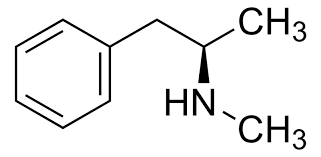
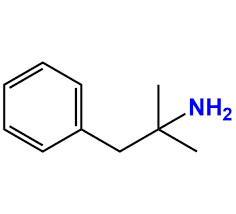
Methamphetamine[note 1] is a central nervous system (CNS) stimulant that is primarily used as a recreational or performance-enhancing drug and less commonly as a second-line treatment for attention deficit hyperactivity disorder (ADHD).[25] It has also been researched as a potential treatment for traumatic brain injury.[7] Methamphetamine was discovered in 1893 and exists as two enantiomers: levo-methamphetamine and dextro-methamphetamine.[note 2] Methamphetamine properly refers to a specific chemical substance, the racemic free base, which is an equal mixture of levomethamphetamine and dextromethamphetamine in their pure amine forms, but the hydrochloride salt, commonly called crystal meth, is widely used. Methamphetamine is rarely prescribed over concerns involving its potential for misuse as an aphrodisiac and euphoriant, among other concerns, as well as the availability of other drugs with comparable effects and treatment efficacy such as dextroamphetamine and lisdexamfetamine.[25] While pharmaceutical formulations of methamphetamine in the United States are labeled as methamphetamine hydrochloride, they contain dextromethamphetamine as the active ingredient.[25][note 3] Dextromethamphetamine is a stronger CNS stimulant than levomethamphetamine.[25] Both racemic methamphetamine and dextromethamphetamine are illicitly trafficked and sold owing to their potential for recreational use and ease of manufacture. The highest prevalence of illegal methamphetamine use occurs in parts of Asia and Oceania, and in the United States, where racemic methamphetamine and dextromethamphetamine are classified as Schedule II controlled substances. Levomethamphetamine is available as an over-the-counter (OTC) drug for use as an inhaled nasal decongestant in the United States and is seldom abused.[28][note 4] Internationally, the production, distribution, sale, and possession of methamphetamine is restricted or banned in many countries, owing to its placement in schedule II of the United Nations Convention on Psychotropic Substances treaty. While dextromethamphetamine is a more potent drug, racemic methamphetamine is illicitly produced more often, owing to the relative ease of synthesis and regulatory limits of chemical precursor availability. The effects of methamphetamine are nearly identical to other substituted amphetamine.[31] In low to moderate and therapeutic doses (5–25 mg orally),[27] methamphetamine produces typical SNDRA effects and may elevate mood, increase alertness, concentration, and energy, reduce appetite, and promote weight loss. In overdose or during extended binges, it may induce psychosis, breakdown of skeletal muscle, seizures, and bleeding in the brain. Chronic high-dose use can precipitate unpredictable and rapid mood swings, stimulant psychosis (e.g., paranoia, hallucinations, delirium, and delusions), and aggression. Recreationally, methamphetamine's ability to increase energy has been reported to lift mood and increase sexual desire to such an extent that users are able to engage in sexual activity continuously for several days while binging the drug.[32] Methamphetamine is known to possess a high abuse liability (a high likelihood that extratherapeutic use will lead to compulsive drug use) and high psychological dependence liability (a high likelihood that withdrawal symptoms will occur when methamphetamine use ceases). Discontinuing methamphetamine after heavy use may lead to a post-acute-withdrawal syndrome, which can persist for months beyond the typical withdrawal period. At high doses, like other substituted amphetamines, methamphetamine is neurotoxic to human midbrain dopaminergic neurons and, to a lesser extent, serotonergic neurons.[33][34][31] Methamphetamine neurotoxicity causes adverse changes in brain structure and function, such as reductions in grey matter volume in several brain regions, as well as adverse changes in markers of metabolic integrity.[34] Methamphetamine belongs to the substituted phenethylamine and substituted amphetamine chemical classes and as a drug acts as a serotonin–norepinephrine–dopamine releasing agent. It is related to the other dimethylphenethylamines as a positional isomer of these compounds, which share the common chemical formula C10H15N.
(±)-Methamphetamine solution Empirical Formula (Hill Notation): C 10 H 15 N CAS No.: 7632-10-2 Molecular Weight: 149.23Read more


Specificity: This antibody is capable of recognizing methamphetamine, amphetamine, 3,4-methylenedioxymethamphetamine (MDMA) and 4-OH-METH. Methamphetamine is a ...Read more

Methamphetamine - HFBA · CAS # 537-46-2 · Rechercher un autre composé : · Structure et propriétés du composé · Spectre de masse GC · Synonymes · Restek vous suggère ...Read more


**D-Methamphetamine** is a potent central nervous system stimulant and enantiomer of methamphetamine, known for its high abuse potential and psychoactive ...Read more


Concentration: 1.0 mg/mL ; Solvent: Methanol ; Unit Size: 1 mL/ampoule ; CAS Number: 537-46-2 ; Chemical Formula: C₁₀H₁₅N.Read more

Reviews
There are no reviews yet.