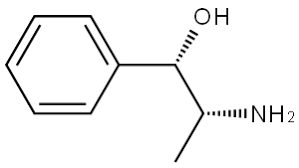
Phenylpropanolamine was previously available in the United Statesover-the-counter and in certain combination drug forms by prescription.[24][25] One such example of the latter was a combination of phenylpropanolamine and chlorpheniramine, which dually contained decongestant and antihistamine effects, marketed by Tutag as 'Vernate'. These forms have all been discontinued in the U.S.,[24][25][23] although phenylpropanolamine remains available in some countries.[23]
Side effects
Phenylpropanolamine produces sympathomimetic effects and can cause side effects such as increased heart rate and blood pressure.[12][13][14][11] It has been associated rarely with incidence of hemorrhagic stroke.[22][15][12]
Certain drugs increase the chances of déjà vu occurring in the user, resulting in a strong sensation that an event or experience currently being experienced has already been experienced in the past. Some pharmaceutical drugs, when taken together, have also been implicated in the cause of déjà vu.[29] The Journal of Clinical Neuroscience reported the case of an otherwise healthy male who started experiencing intense and recurrent sensations of déjà vu upon taking the drugs amantadine and phenylpropanolamine together to relieve flu symptoms.[29] He found the experience so interesting that he completed the full course of his treatment and reported it to the psychologists to write up as a case study. Because of the dopaminergic action of the drugs and previous findings from electrode stimulation of the brain,[30] it was speculated that déjà vu occurs as a result of hyperdopaminergic action in the mesialtemporal areas of the brain.
Interactions
There has been very little research on drug interactions with phenylpropanolamine.[2] In one study, phenylpropanolamine taken with caffeine was found to quadruple caffeine levels.[2] In another study, phenylpropanolamine reduced theophyllineclearance by 50%.[2]
Phenylpropanolamine was originally thought to act as a direct agonist of adrenergic receptors and hence to act as a mixed acting sympathomimetic,[20][21] However, phenylpropanolamine was subsequently found to show only weak or negligible affinity for these receptors and has been instead characterized as exclusively an indirectly acting sympathomimetic.[9][16][17][18] It acts by inducing norepinephrine release and thereby indirectly activating adrenergic receptors.[16][17][18]
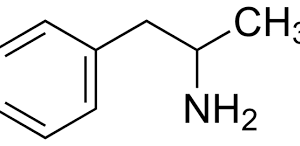
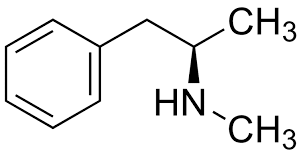
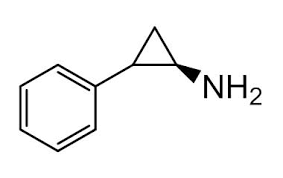
Many sympathetic hormones and neurotransmitters are based on the phenethylamine skeleton, and function generally in "fight or flight" type responses, such as increasing heart rate, blood pressure, dilating the pupils, increased energy, drying of mucous membranes, increased sweating, and a significant number of additional effects.[citation needed]
Phenylpropanolamine has relatively low potency as a sympathomimetic.[20] It is about 100 to 200times less potent than epinephrine (adrenaline) or norepinephrine (noradrenaline) in its sympathomimetic effects, although responses are variable depending on tissue.[20]
Pharmacokinetics
AI Overview
Phenylpropanolamine (PPA), CAS number
14838-15-4, is available through various chemical suppliers and pharmaceutical manufacturers, primarily for research, development, and industrial intermediate purposes.
Chemicea Pharmaceuticals +3
Supplier Information:
Chemicea Pharma: Manufactures and exports Phenylpropanolamine (CAS 14838-15-4).
Parchem: A supplier and distributor of Phenylpropanolamine.
Biozol Diagnostica (Chemos): A supplier of lab chemicals and raw materials.
PharmaCompass: Lists various suppliers and manufacturers for the active pharmaceutical ingredient (API).
Chemicea Pharmaceuticals +5
Important Safety and Regulatory Information:
FDA Advisory: Phenylpropanolamine has been withdrawn from the U.S. and Canadian markets due to an increased risk of hemorrhagic stroke.
DEA Status: In the United States, it is listed as a DEA List I chemical.
Uses: While once used as a nasal decongestant and appetite suppressant, its current use is generally restricted to pharmaceutical research or approved veterinary applications.
DrugBank +4
You can request quotes or search for product availability from the companies mentioned above through their respective websites.
Phenylpropanolamine (Cas 14838-15-4) - Parchem
Save. Home · Chemical Products Catalog · DEA List I Chemicals; Phenylpropanolamine. Phenylpropanolamine. Get a quote. Doc RequestS...
parchem.com
Phenylpropanolamine | CAS No- 14838-15-4 | NA - Chemicea
Buy high quality Phenylpropanolamine with CAS No - 14838-15-4 from Chemicea Pharma. Chemicea Pharma is one of the leading manufact...
Chemicea Pharmaceuticals
Phenylpropanolamine: Uses, Interactions, Mechanism of Action
13 Jun 2005 — Identification. ... Phenylpropanolamine is a sympathomimetic that was previously used in nasal decongestants and weight loss produ...
DrugBank
Show all
Show more
Phenylpropanolamine | 14838-15-4
ChemicalBook
https://www.chemicalbook.com › ... › CAS DataBase List
31 Dec 2025 — Phenylpropanolamine (CAS 14838-15-4) information, including chemical properties, structure, melting point, boiling point, density, formula, ...
Buy high quality Phenylpropanolamine with CAS No - 14838-15-4 from Chemicea Pharma. Chemicea Pharma is one of the leading manufacturer and exporter of ...Read more
Phenylpropanolamine (PPA), a sympathomimetic agent structurally similar to pseudoephedrine, is used to treat nasal congestion. Phenylpropanolamine is found ...Read more
Buy Norephedrine | 14838-15-4
Smolecule
https://www.smolecule.com › products
Norephedrine, commonly known as norepinephrine, is a catecholamine and a phenethylamine that serves as both a neurotransmitter and a hormone.
Phenylpropanolamine
Wikipedia
https://en.wikipedia.org › wiki › Phenylpropanolamine
Phenylpropanolamine (PPA), sold under many brand names, is a sympathomimetic agent used as a decongestant and appetite suppressant.Read more
Side effects
Pharmacology
Chemistry
Society and culture
Phenylpropanolamine 50mg capsules | findmeds.uk™
findmeds.uk
https://findmeds.uk › Medicines › Respiratory system
Stimulation of alpha-adrenergic receptors produces vasoconstriction, reduces tissue hyperemia, edema, and nasal congestion, and increases nasal airway patency.Read more
Reviews
There are no reviews yet.
Be the first to review “Buy Phenylpropanolamine (PPA) Cas 14838-15-4” Cancel reply
 Chemicea Pharmaceuticals +3


Reviews
There are no reviews yet.