Phenylpropanolamine was previously available in the United Statesover-the-counter and in certain combination drug forms by prescription.[24][25] One such example of the latter was a combination of phenylpropanolamine and chlorpheniramine, which dually contained decongestant and antihistamine effects, marketed by Tutag as 'Vernate'. These forms have all been discontinued in the U.S.,[24][25][23] although phenylpropanolamine remains available in some countries.[23]
Side effects
Phenylpropanolamine produces sympathomimetic effects and can cause side effects such as increased heart rate and blood pressure.[12][13][14][11] It has been associated rarely with incidence of hemorrhagic stroke.[22][15][12]
Certain drugs increase the chances of déjà vu occurring in the user, resulting in a strong sensation that an event or experience currently being experienced has already been experienced in the past. Some pharmaceutical drugs, when taken together, have also been implicated in the cause of déjà vu.[29] The Journal of Clinical Neuroscience reported the case of an otherwise healthy male who started experiencing intense and recurrent sensations of déjà vu upon taking the drugs amantadine and phenylpropanolamine together to relieve flu symptoms.[29] He found the experience so interesting that he completed the full course of his treatment and reported it to the psychologists to write up as a case study. Because of the dopaminergic action of the drugs and previous findings from electrode stimulation of the brain,[30] it was speculated that déjà vu occurs as a result of hyperdopaminergic action in the mesialtemporal areas of the brain.
Interactions
There has been very little research on drug interactions with phenylpropanolamine.[2] In one study, phenylpropanolamine taken with caffeine was found to quadruple caffeine levels.[2] In another study, phenylpropanolamine reduced theophyllineclearance by 50%.[2]
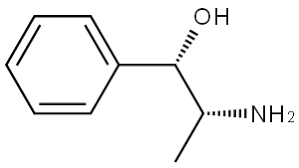
Phenylpropanolamine (PPA), identified by CAS number 14838-15-4, is a substance that has been subject to significant regulatory actions and restrictions globally.
Regulatory and Health Information: In the United States and several other countries, the sale of Phenylpropanolamine for human use has been withdrawn or heavily restricted. These actions were primarily driven by medical research indicating an increased risk of hemorrhagic stroke (bleeding in the brain) associated with its use in appetite suppressants and cough or cold remedies.
Controlled Substance Status: Due to its chemical structure, PPA is also classified as a regulated precursor in many regions. For example, in the United States, it is listed as a DEA List I chemical. This means its distribution is strictly monitored, and it is generally only available to registered industrial, pharmaceutical, or research institutions that provide proper documentation and legitimate end-use certifications.
Information regarding the commercial acquisition of this substance for personal use cannot be provided, as doing so may involve bypassing legal safety protocols and regulatory requirements.
Phenylpropanolamine | CAS No- 14838-15-4 | NA
Buy high quality Phenylpropanolamine with CAS No - 14838-15-4 from Chemicea Pharma. Chemicea Pharma is one of the leading manufact...
Chemicea Pharmaceuticals
CAS 154-41-6: Phenylpropanolamine hydrochloride
However, due to safety concerns, particularly regarding its ( Phenylpropanolamine hydrochloride ) association with increased risk ...
CymitQuimica
What is the mechanism of Phenylpropanol?
17 Jul 2024 — Due to these potential risks, phenylpropanol has been subject to regulatory scrutiny and, in some regions, its use has been restri...
Patsnap Synapse
Show all
Show more
Phenylpropanolamine | 14838-15-4
ChemicalBook
https://www.chemicalbook.com › ... › CAS DataBase List
Phenylpropanolamine (CAS 14838-15-4) information, including chemical properties, structure, melting point, boiling point, density, formula, molecular weight ...
Buy high quality Phenylpropanolamine with CAS No - 14838-15-4 from Chemicea Pharma. Chemicea Pharma is one of the leading manufacturer and exporter of ...Read more
Phenylpropanolamine (PPA), a sympathomimetic agent structurally similar to pseudoephedrine, is used to treat nasal congestion. Phenylpropanolamine is found ...Read more
Phenylpropanolamine
Wikipedia
https://en.wikipedia.org › wiki › Phenylpropanolamine
Phenylpropanolamine (PPA), sold under many brand names, is a sympathomimetic agent used as a decongestant and appetite suppressant.Read more
Side effects
Pharmacology
Chemistry
Society and culture
Phenylpropanolamine: Uses, Interactions, Mechanism of ...
DrugBank
https://go.drugbank.com › drugs
13 Jun 2005 — Pharmacodynamics. Phenylpropanolamine (PPA), a sympathomimetic agent structurally similar to pseudoephedrine, is used to treat nasal congestion.Read more
Reviews
There are no reviews yet.
Be the first to review “Buy Phenylpropanolamine (PPA) Cas 14838-15-4” Cancel reply


Reviews
There are no reviews yet.